
My Energy Dividends Plan: continued...
Here's the math to a $1,250 per month UBI.

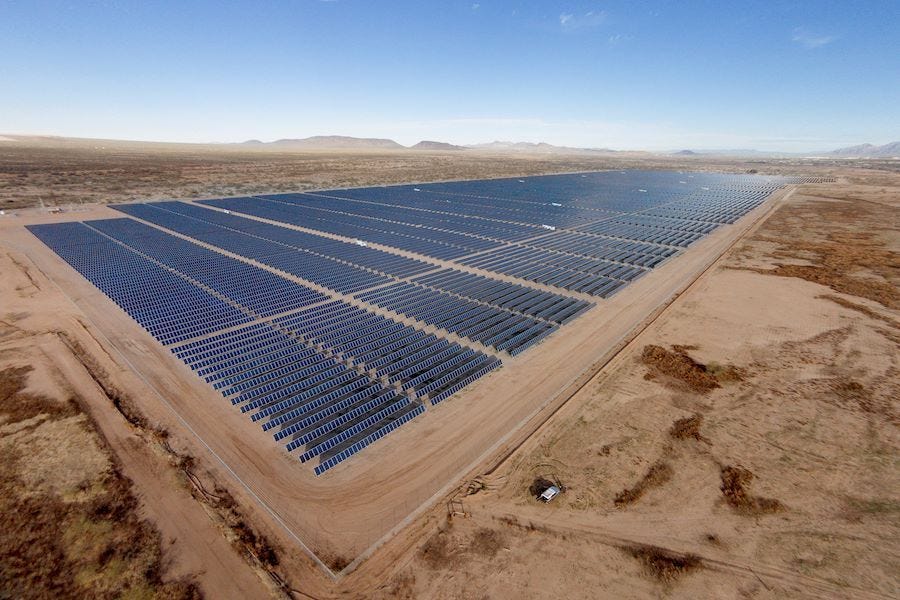
As a candidate for Governor of Arizona, I am proud to present my full Energy Dividends Plan, a comprehensive strategy designed to revolutionize our state's energy landscape, stimulate economic growth, and provide direct financial benefits to all Arizonans. This plan builds upon my 2022 gubernatorial campaign proposal, aiming to deliver economic relief through equitable investment in energy.
Overview of the Energy Dividends Plan
The Energy Dividends Plan is an innovative approach to energy policy that seeks to harness Arizona's abundant natural resources to generate revenue and distribute dividends directly to residents. By investing in a diverse mix of energy sources, including solar, wind, and emerging technologies, the plan aims to create a sustainable and profitable energy sector that benefits every Arizonan.
At its core, this plan incorporates a Universal Basic Income (UBI) model, ensuring that every Arizona resident receives direct financial benefits from the state's energy resources. Unlike traditional economic policies that rely on fluctuating tax revenues or external funding, this initiative creates a self-sustaining system where profits from publicly owned energy projects are equitably redistributed to the people.
Key Components of the Plan
1. Investment in Renewable Energy Infrastructure
Arizona is blessed with an abundance of sunshine, making it an ideal location for solar energy production. The plan proposes significant investments in solar farms and rooftop solar installations across the state. Additionally, we will explore opportunities in wind energy and other renewable sources to diversify our energy portfolio.
2. Establishment of the Arizona Energy Fund
Revenue generated from state-owned energy projects will be funneled into the Arizona Energy Fund. This fund will be managed transparently, with the primary goal of distributing annual dividends to Arizona residents.
3. Direct Dividends to Residents (UBI Model)
Every Arizonan will receive an annual dividend from the profits generated by the state's energy investments. This approach ensures that the wealth generated from our natural resources is shared equitably among all residents, providing economic relief and stimulating local economies. Unlike traditional government assistance programs, this dividend will be unconditional—meaning there are no eligibility requirements beyond residency.
My previous solar-only plan had dividends at $500 a month. When I first ran our solar-only plan, we calculated that—with Arizona’s nearly 300 sunny days per year and very high solar irradiance—our solar investments could yield dividends of about $500 per month per Arizonan. That figure was based on our analysis of solar panels operating at high capacity factors in the Sonoran Desert and on urban rooftops.
However, based on Arizona’s renewable energy potential and infrastructure expansion, the estimated dividends per resident could reach $1,250 per month by combining multiple energy sources:
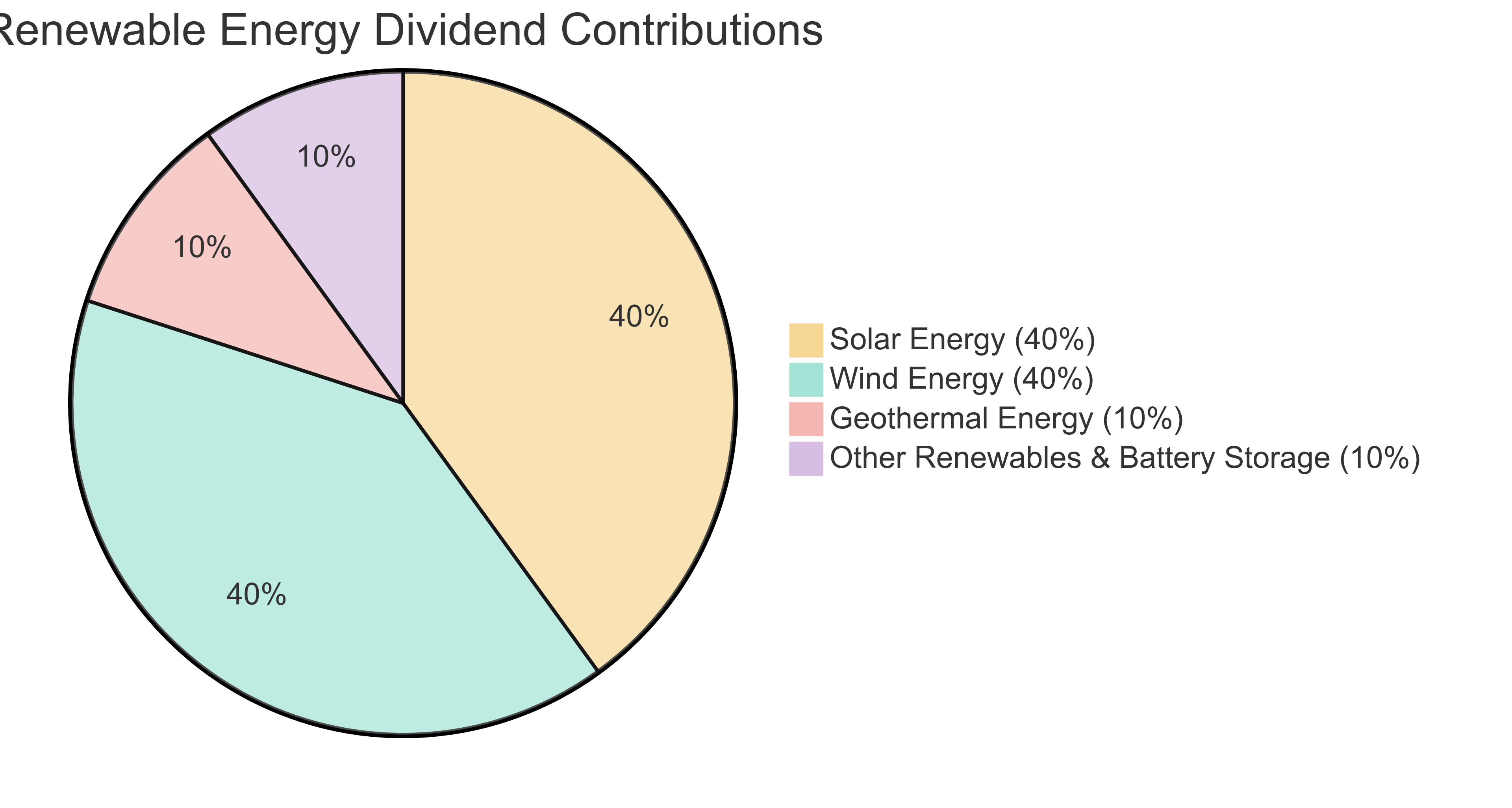
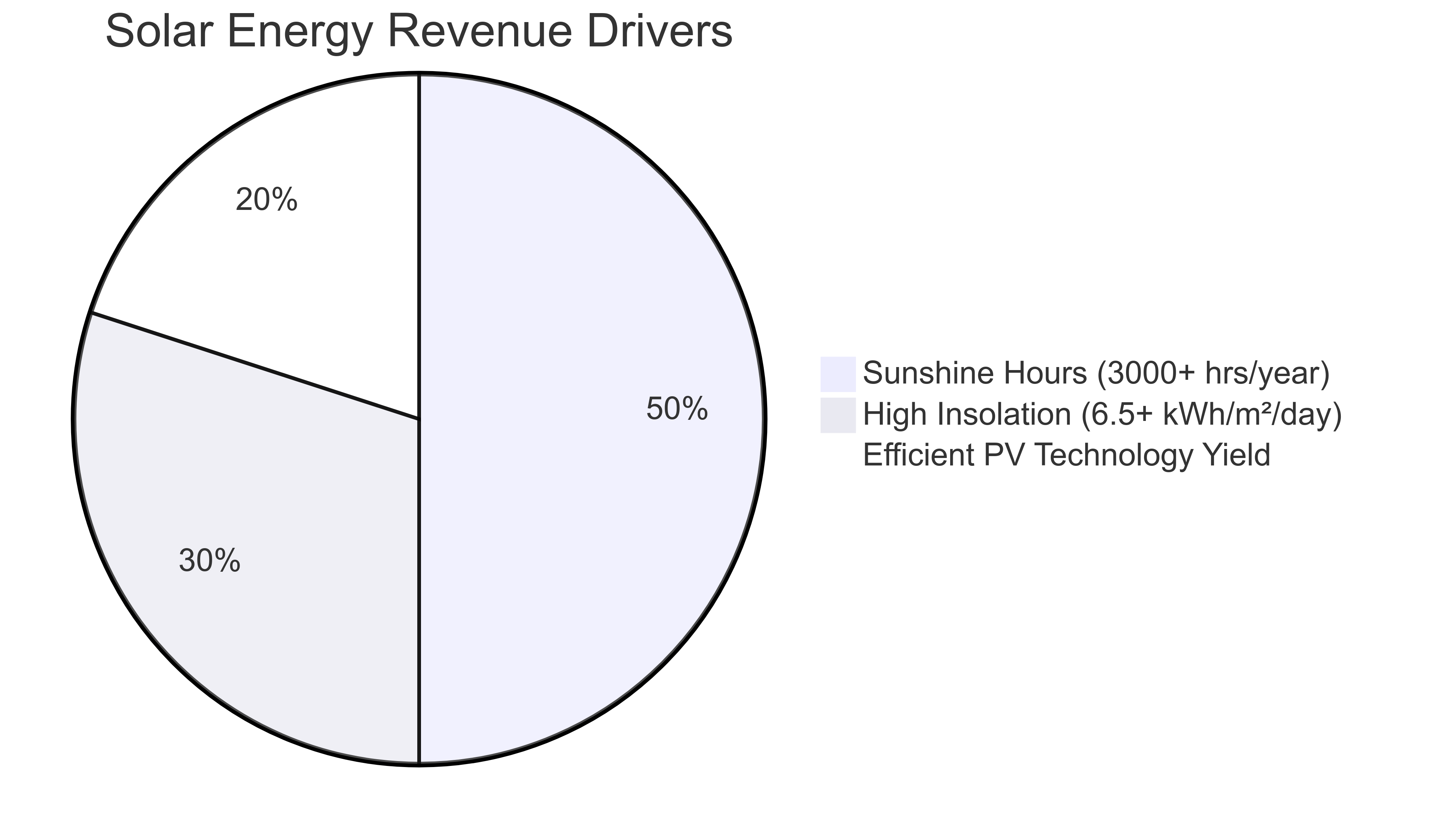
Solar Energy (40% of our portfolio $500/month per resident):
Arizona’s Sonoran Desert receives over 3,000 hours of sunshine per year, with average solar insolation levels exceeding 6.5 kWh/m²/day. With current photovoltaic technology, a 1‑MW installation can produce roughly 1,500–1,800 MWh annually—translating into consistent revenue. Based on these factors, our solar projects alone are estimated to yield dividends of about $500 per month per resident.
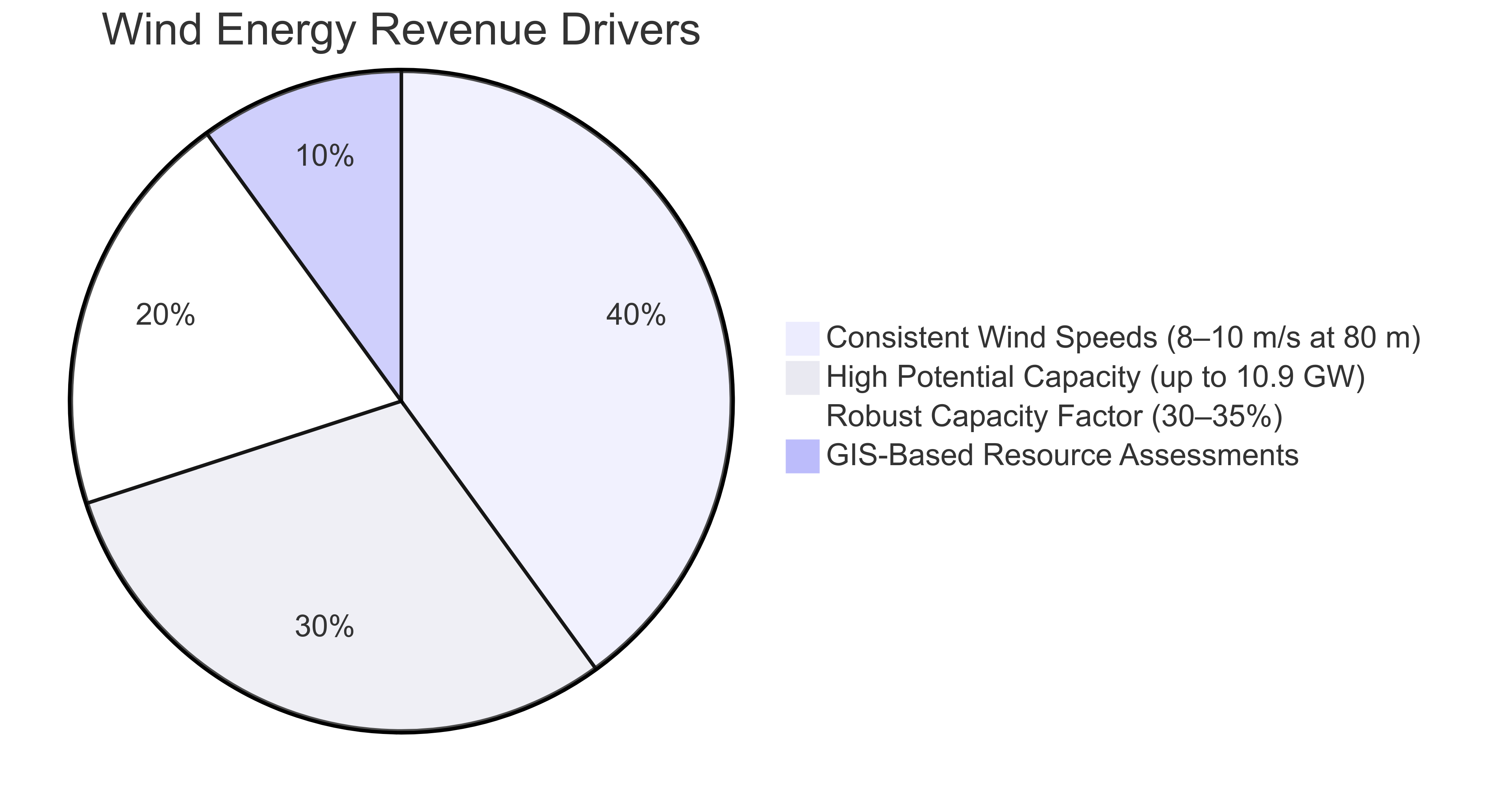
Wind Energy (40% of our portfolio $500/month per resident):
GIS-based wind resource assessments reveal that regions along the Mogollon Rim and northern plateaus regularly experience wind speeds of 8–10 m/s at an 80‑meter hub height. Studies indicate that Arizona could potentially install up to 10.9 GW of onshore wind capacity at this standard height—with capacity factors around 30–35%. This translates into robust annual energy yields, which we conservatively estimate to contribute another $500 per month in dividends per resident.
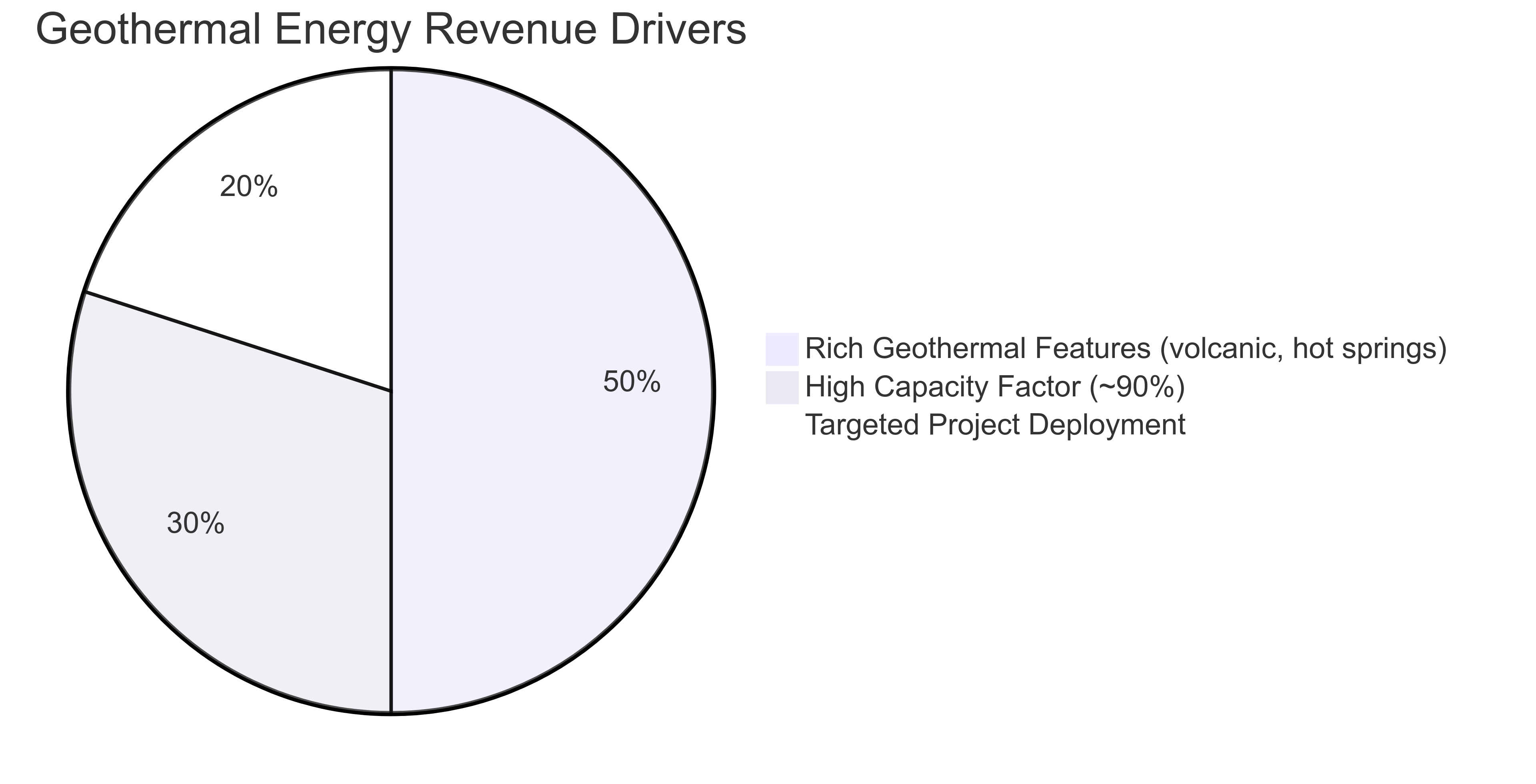
Geothermal Energy (10% of our portfolio $150/month per resident):
Thanks to our state’s rich volcanic and geothermal features—especially near Flagstaff and within the Apache-Sitgreaves region—geothermal plants can achieve capacity factors near 90%. Although the total deployable capacity is more limited geographically, targeted geothermal projects are projected to add approximately $150 per month in dividends.
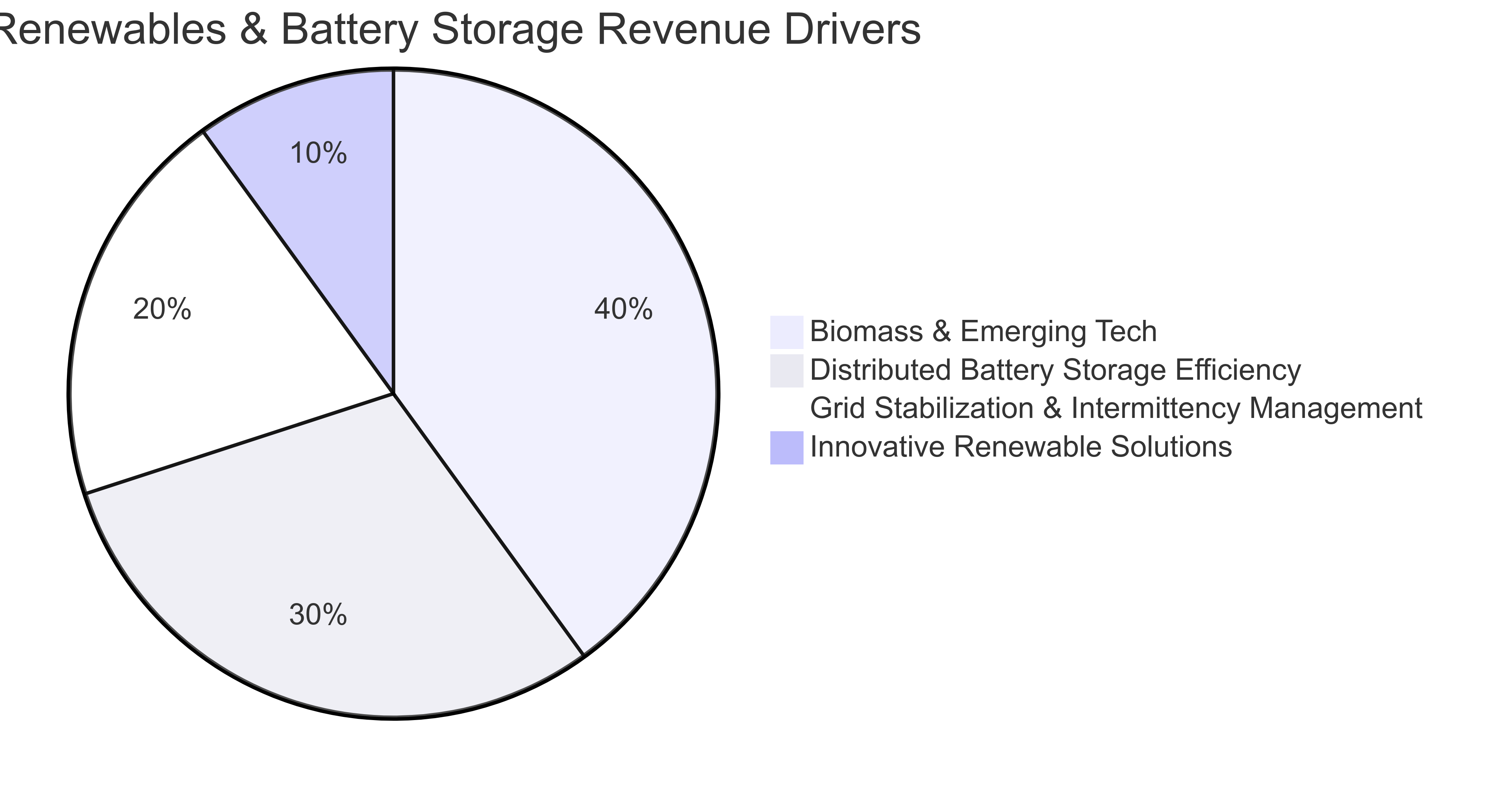
Other Renewables & Battery Storage (10% of our portfolio $100/month per resident):
Integrating emerging technologies such as biomass, distributed battery storage, and other innovative renewable solutions (which further stabilize intermittent outputs) can feasibly add about $100 per month per resident.
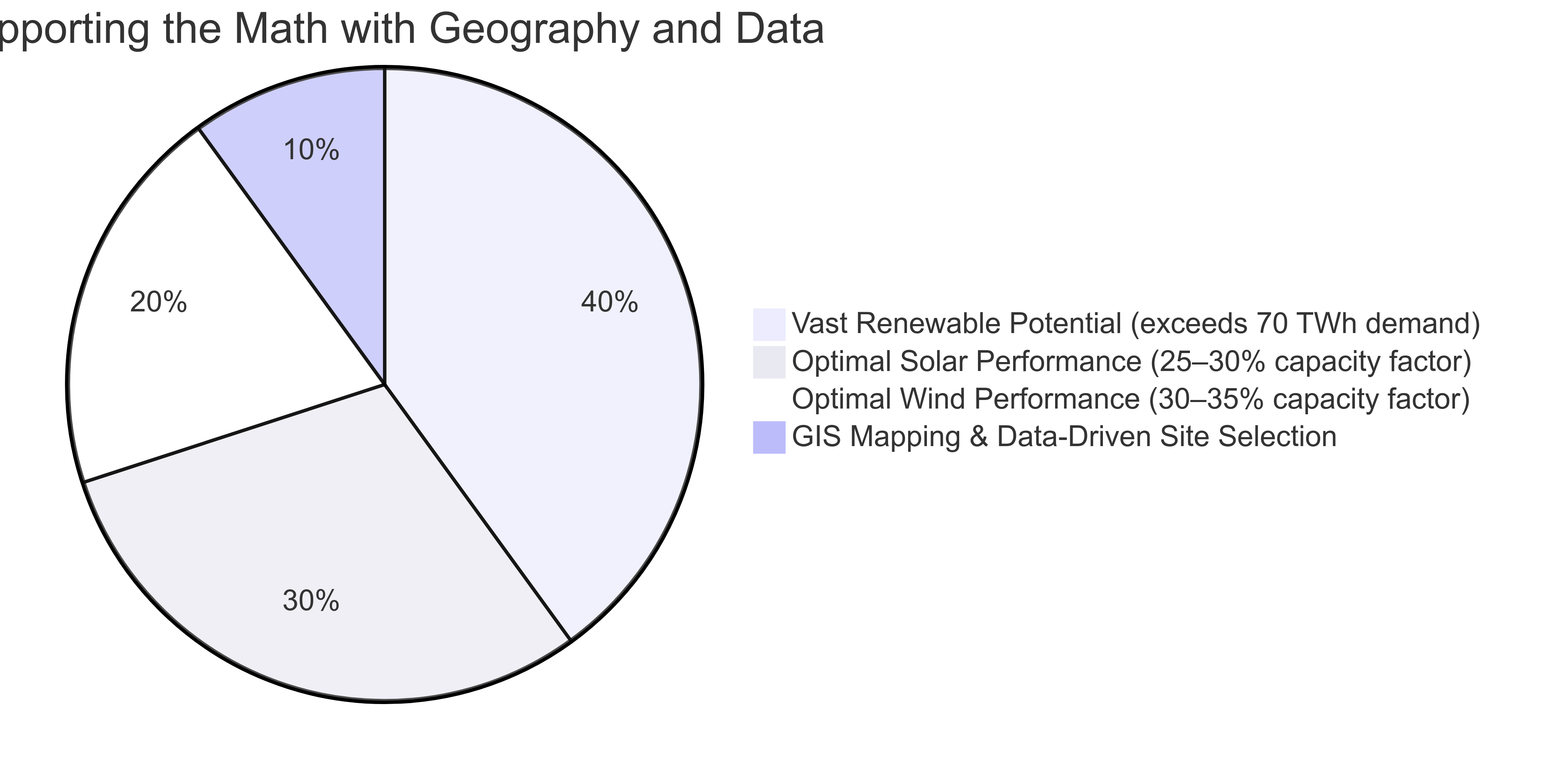
Supporting the Math with Geography and Data:
Arizona’s overall electricity consumption is roughly 70 TWh per year, while its vast desert regions and wind corridors offer a theoretical renewable potential that far exceeds current demand.
Detailed GIS mapping confirms that the best solar sites (in the Sonoran Desert) and prime wind corridors (along the Mogollon Rim and high plateaus) yield optimal performance parameters, with solar installations achieving capacity factors of 25–30% and wind installations achieving 30–35%.
These geographic and meteorological advantages ensure that even conservative revenue estimates—when combined—support our dividend projection of $1,250 per month per resident.These projections are grounded in Arizona’s geographic and infrastructural strengths, ensuring an accurate and feasible roadmap for energy dividends.
4. Job Creation and Economic Growth
The expansion of renewable energy infrastructure will create thousands of jobs in construction, maintenance, and operations. Furthermore, by positioning Arizona as a leader in renewable energy, we can attract businesses and industries that prioritize sustainability, fostering long-term economic growth.
5. Economic Security for All
The UBI component of the plan will provide Arizonans with a reliable financial cushion, reducing poverty and economic instability. Residents can use their dividend however they see fit—whether for housing, education, healthcare, or business investments—empowering them with financial autonomy.
6. Environmental Stewardship
Transitioning to renewable energy sources will significantly reduce greenhouse gas emissions, contributing to cleaner air and a healthier environment for future generations.
Implementation Strategy
Implementing the Energy Dividends Plan will require a collaborative effort between state agencies, private sector partners, and local communities. The following steps outline the path forward:
1. Legislative Action
Work with the state legislature to establish the legal framework for the Arizona Energy Fund and to authorize investments in renewable energy projects.
2. Public-Private Partnerships
Leverage partnerships with private companies to develop and operate renewable energy facilities, ensuring efficient project execution and management.
3. Community Engagement
Engage with local communities to identify suitable locations for energy projects and to ensure that development aligns with local needs and values.
4. Workforce Development
Invest in training programs to equip Arizonans with the skills needed for jobs in the renewable energy sector, prioritizing local hiring and supporting displaced workers from traditional energy industries.
5. Transparency and Accountability
Establish oversight mechanisms to ensure transparent management of the Arizona Energy Fund and fair distribution of dividends to residents.
Comparison to Existing Initiatives
While current programs like Efficiency Arizona focus on increasing energy efficiency and providing rebates for consumers, the Energy Dividends Plan goes a step further by generating revenue through state-owned energy assets and distributing profits directly to residents. This model not only promotes sustainability but also provides a tangible financial benefit to every Arizonan.
A New Economic Paradigm
This plan shifts Arizona toward an economy where residents share in the wealth generated by public assets. Instead of relying solely on income from jobs, Arizonans will have an additional, stable financial resource that supports long-term financial independence. Unlike tax-funded welfare programs, this model ensures that financial benefits are derived from a growing and self-sustaining sector—renewable energy.
The Energy Dividends Plan represents a bold vision for Arizona's future—one where our natural resources are harnessed to create wealth, promote environmental stewardship, and provide direct economic benefits to all residents. By implementing this plan, I aim to create a future where every Arizonan enjoys economic security, regardless of market fluctuations or job availability. This is not just an energy policy—it’s a movement toward a fairer, more resilient economy for all.